Home > Products > Filter Press > Membrane Filter Press > Membrane Plate Filter Press For Beer Industry
Models : Membrane Filter Press
Material : Carbon Steel
Beam : Iron Coating Q235
Voltage : 220-380V
Plate Shiting : Automatic
Control : PLC
Filtration Pressure : ≥0.8Mpa
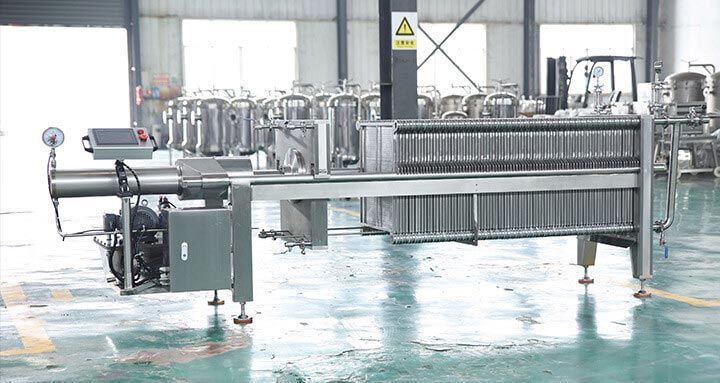
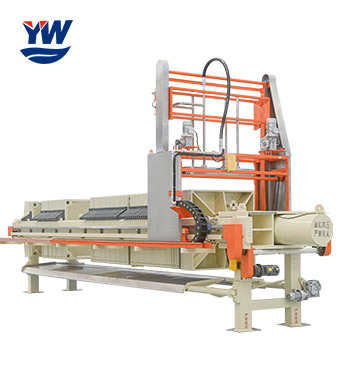
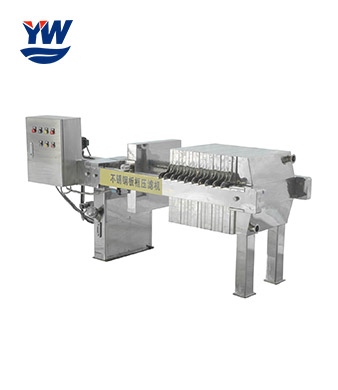
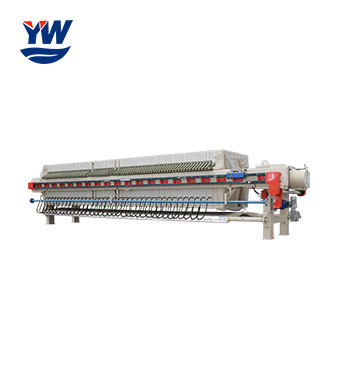
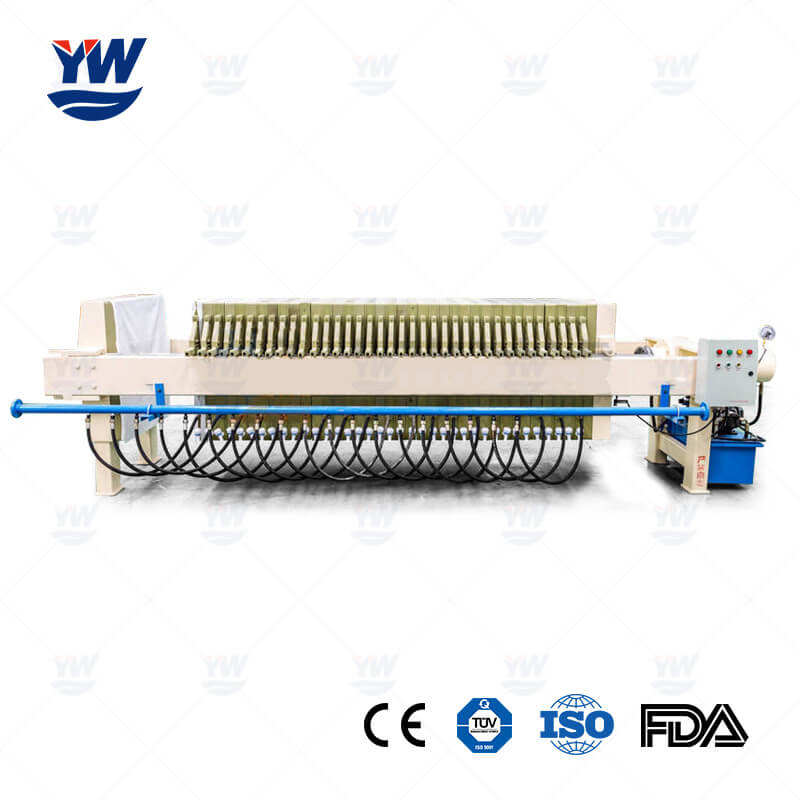
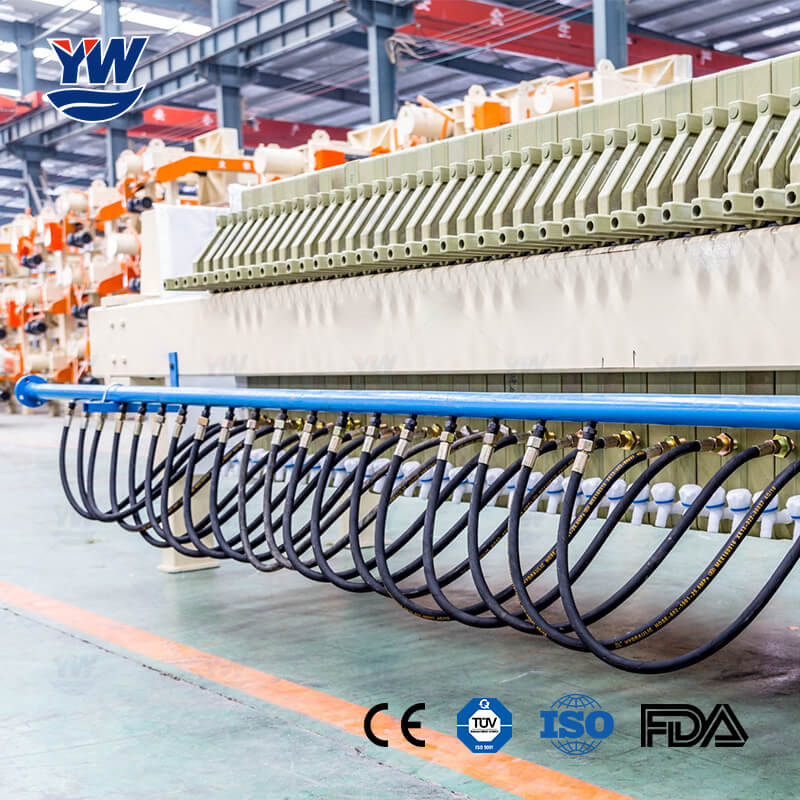
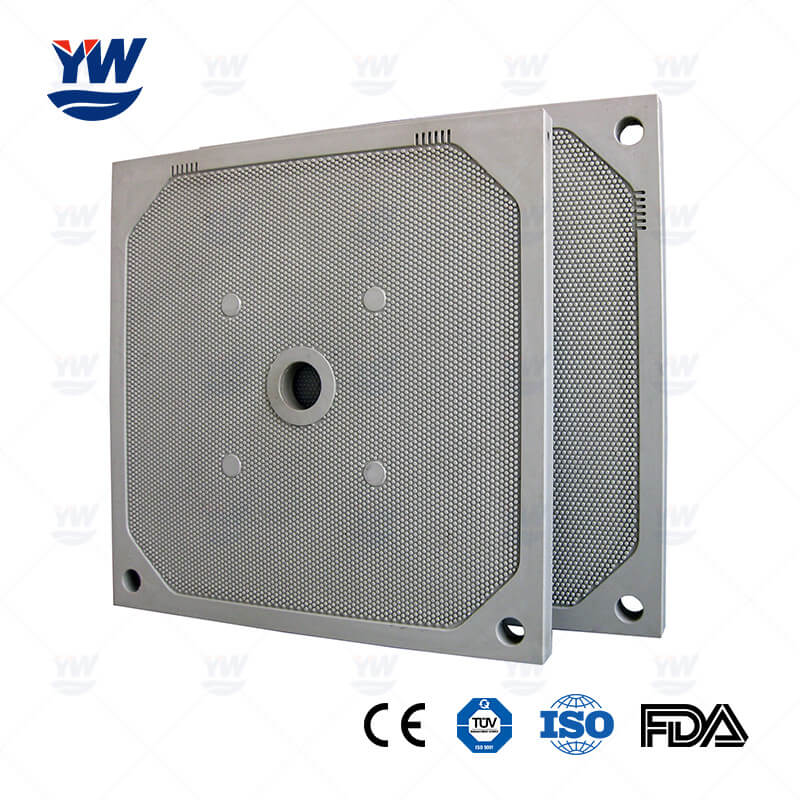
A membrane filter press for the beer industry is a plate-and-frame or chamber filter press fitted with membrane plates that is used to clarify wort, recover beer from spent yeast and lees, and dewater brewery by-products. The membrane plates allow a secondary squeeze, in which the flexible membranes are inflated after the initial filtration cycle to press more liquid out of the cake. In brewing this is especially valuable for recovering saleable beer trapped in yeast slurry and for producing drier spent-grain or trub cakes that are cheaper and easier to handle. The press is built from materials and finishes compatible with food-contact duty so it can sit safely within the brewery’s process line.
During operation, slurry such as wort, yeast, or lees is pumped into the closed plate pack, and solids are retained on the filter cloths while the liquid phase passes through. Once the chambers are full, the membranes are inflated with water or air, squeezing each cake to recover additional liquid and reduce its moisture content. The press then opens, the plates shift, and the dry cake discharges automatically. In a brewery this sequence can be run on PLC control, so wort clarification, yeast recovery, and by-product dewatering are carried out consistently with minimal manual labour and with clear separation between the recovered product and the waste solids.
Within a brewery, membrane filter presses serve three main duties. First, they clarify wort after lautering, removing suspended solids before fermentation. Second, they recover beer from surplus yeast and lees, squeezing out liquid that would otherwise be lost and improving overall yield. Third, they dewater spent grain, trub, and other by-products, cutting weight and volume for lower disposal and transport cost. The membrane squeeze is what makes these duties efficient, because it recovers product and dries solids in a single automated machine.
The main parameters are material, beam construction, voltage, plate shifting, control method, and filtration pressure, as summarised in the table below. Carbon steel construction with a coated beam offers a robust, cost-effective frame for brewery duty, while automatic plate shifting and PLC control reduce labour and improve batch consistency. Filtration pressure should be matched to the slurry being processed, and the membrane squeeze pressure configured to balance liquid recovery against cake dryness. Sizing should be based on the brewery’s daily volume of wort, yeast, and by-products rather than on a single figure.
A YW membrane filter press helps breweries recover more product and handle solids more cheaply, thanks to the membrane squeeze and automatic operation. The robust frame and PLC control give dependable, repeatable batches, while the design is straightforward to clean and maintain in a busy production environment. For a broader view of brewery filtration, see our beer filtration system guide, and for the operating principle, read how filter presses work.
| Specification | Value |
|---|---|
| Models | Membrane Filter Press |
| Material | Carbon Steel |
| Beam | Iron Coating Q235 |
| Voltage | 220-380V |
| Plate Shiting | Automatic |
| Control | PLC |
| Filtration Pressure | ≥0.8Mpa |
Q1: What does a membrane filter press do in a brewery?
— It clarifies wort, recovers beer from yeast and lees, and dewaters spent grain and trub, using a membrane squeeze to recover liquid and dry the solids.
Q2: How does the membrane squeeze work?
— After the chambers fill, the membranes are inflated with water or air, pressing each cake to recover additional liquid and reduce its moisture content.
Q3: Can it recover beer from spent yeast?
— Yes, recovering beer trapped in yeast slurry is a key use, improving yield by squeezing out liquid that would otherwise be lost.
Q4: Why is PLC control important?
— PLC control automates closing, feeding, squeezing, and plate shifting, giving consistent batches with less manual labour.
Q5: How should I size the press for my brewery?
— Size it against your daily volume of wort, yeast, and by-products, and match filtration and squeeze pressure to the slurry being processed.
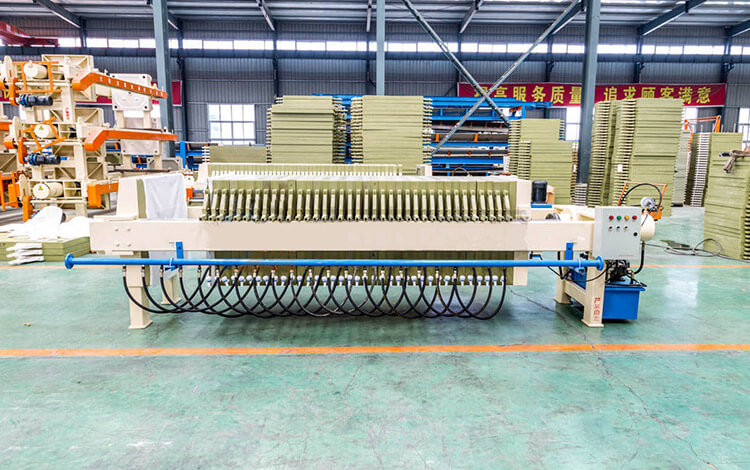
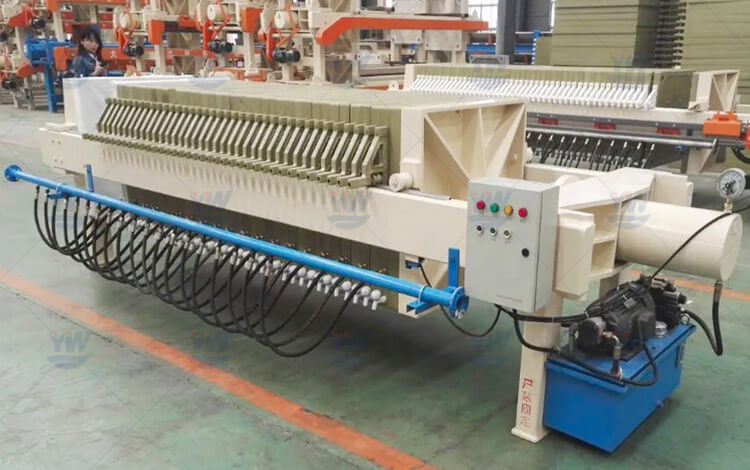
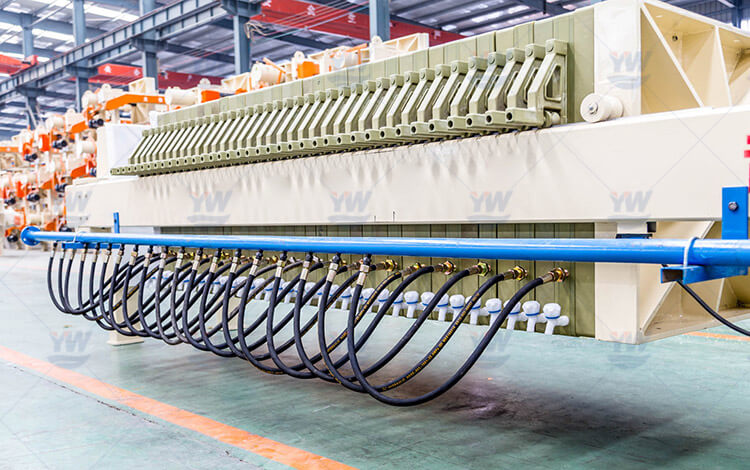
| Model | Filtration area (m²) |
Plate size (mm) |
Cake thickness (mm) |
Filter chamber volume (L) |
Plate Qty. (pcs.) |
Motor power (Kw) |
Weight (Kg) |
Dimensions L*W*H(mm) |
| G30/870-U | 30 | 870*870 | ≤35 | 498 | 23 | 2.2 | 3046 | 3880*1250*1300 |
| G40/870-U | 40 | 623 | 29 | 3593 | 4270*1250*1300 | |||
| G50/870-U | 50 | 789 | 37 | 4057 | 4790*1250*1300 | |||
| G60/870-U | 60 | 955 | 45 | 4597 | 5310*1250*1300 | |||
| G70/870-U | 70 | 1121 | 53 | 5136 | 5830*1250*1300 | |||
| G80/870-U | 80 | 1287 | 61 | 5636 | 6350*1250*1300 | |||
| G50/1000-U | 50 | 1000*1000 | 776 | 27 | 4 | 4352 | 4270*1500*1400 | |
| G60/1000-U | 60 | 943 | 33 | 4480 | 4700*1500*1400 | |||
| G70/1000-U | 70 | 1109 | 39 | 5263 | 5130*1500*1400 | |||
| G80/1000-U | 80 | 1275 | 45 | 5719 | 5560*1500*1400 | |||
| G100/1000-U | 100 | 1608 | 57 | 6555 | 6410*1500*1400 | |||
| G120/1000-U | 120 | 1941 | 69 | 7466 | 7260*1500*1400 | |||
| G80/1250-U | 80 | 1250*1250 | ≤40 | 1560 | 29 | 5.5 | 10900 | 4830*1800*1600 |
| G100/1250-U | 100 | 1975 | 37 | 11750 | 5440*1800*1600 | |||
| G120/1250-U | 120 | 2391 | 45 | 12600 | 6060*1800*1600 | |||
| G150/1250-U | 150 | 2911 | 55 | 13620 | 6820*1800*1600 | |||
| G160/1250-U | 160 | 3119 | 59 | 14470 | 7130*1800*1600 | |||
| G200/1250-U | 200 | 3847 | 73 | 15320 | 8200*1800*1600 | |||
| G240/1250-U | 240 | 4679 | 89 | 16170 | 9420*1800*1600 | |||
| G250/1250-U | 250 | 4783 | 91 | 17020 | 9570*1800*1600 | |||
| G200/1500-U | 200 | 1500*1500 | 3809 | 49 | 11 | 26120 | 7140*2200*1820 | |
| G250/1500-U | 250 | 4723 | 61 | 26930 | 7730*2200*1820 | |||
| G300/1500-U | 300 | 5637 | 73 | 28160 | 8720*2200*1820 | |||
| G350/1500-U | 350 | 6551 | 85 | 29600 | 10110*2200*1820 | |||
| G400/1500-U | 400 | 7618 | 99 | 31500 | 11260*2200*1820 | |||
| G450/1500-U | 450 | 8532 | 111 | 33400 | 12250*2200*1820 | |||
| G500/1500-U | 500 | 9446 | 123 | 33380 | 13240*2200*1820 | |||
| G600/2000-U | 600 | 2000*2000 | 11901 | 85 | 15 | 54164 | 13030*3000*2500 | |
| G700/2000-U | 700 | 13838 | 99 | 58300 | 14390*3000*2500 | |||
| G800/2000-U | 800 | 14945 | 107 | 62460 | 15770*3000*2500 | |||
| G900/2000-U | 900 | 17713 | 127 | 66620 | 17150*3000*2500 | |||
| G1000/2000-U | 1000 | 19651 | 141 | 70780 | 18530*3000*2500 |
In brewing, the goal is to maximize the recovery of high-value beer trapped within spent grain or yeast slurries. Unlike standard chamber presses, the membrane filter press uses inflatable diaphragms to squeeze the cake after initial filtration. This secondary mechanical compression extracts significantly more liquid from the slurry, which improves the overall yield of the beer and reduces waste loss.
The filter press is constructed using food-grade materials to meet strict hygiene standards. The internal filter plates are made of non-toxic, high-strength food-grade polypropylene, and all sealing components utilize food-grade silicone rubber to prevent any contamination. Furthermore, the design minimizes dead zones, allowing for thorough cleaning and sanitation of the entire system between production batches.
The membrane squeezing process significantly increases the dryness of the yeast or grain "cake." By applying uniform pressure across the membrane, you can achieve a much higher solid content in the discarded byproduct. This makes the spent grain or yeast slurry easier to handle, transport, and dispose of, and it often increases the potential value of the byproduct for secondary uses like animal feed or ingredient manufacturing.
No, the system is designed for high-clarity separation. By using appropriate filtration media (such as filter cloths or papers suited for beer filtration), the press effectively removes suspended solids, spent yeast, and haze-causing particles without stripping away the essential profile of the beer. The enclosed operation also prevents oxidation, which helps maintain the fresh flavor and shelf-stability of the final product.
Yes, it is highly versatile. The machine is designed to handle various types of brewing residues, including primary yeast, secondary yeast, and hot/cold trub. Because the membrane squeeze pressure is adjustable, you can customize the filtration and squeezing parameters to match the viscosity and solid content of the specific slurry type, ensuring optimal liquid recovery regardless of the material characteristics.