There are many kinds of liquids in the pharmaceutical industry, including water, solvents, liquid medicines, etc. The components are also relatively complex, and the physical and chemical properties and process conditions are also quite different. Therefore, the role of filters in the pharmaceutical industry is particularly important. The filter can effectively filter and purify the basic water and liquid medicine; isolate and remove impurities and pollutants in the sewage produced by the pharmaceutical industry, so as to avoid the pollution of the sewage to the environment.
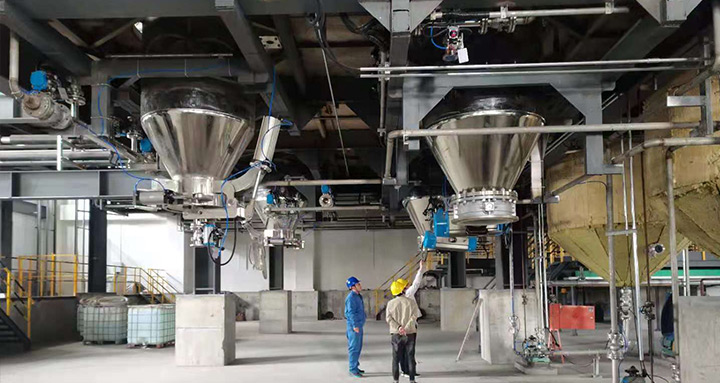

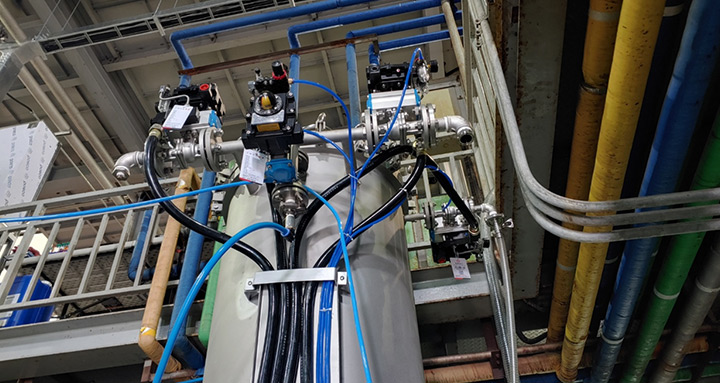
The pharmaceutical industry works with a wide variety of liquids — purified water, organic solvents, liquid medicines, fermentation broths, blood plasma, and herbal extracts. Each of these has its own chemical properties, viscosity, particle load, and process temperature. That diversity is exactly what makes filtration in this industry more demanding than in most others.
It is not just about removing visible particles. Pharmaceutical liquids often carry microscopic contaminants — bacteria, endotoxins, carbon particles, catalyst residues, and fine precipitates — that are invisible but can directly affect patient safety. A filter that works well for one product may be completely wrong for another. Equipment must be selected based on the specific liquid, the target purity level, and whether the process is aseptic or not.
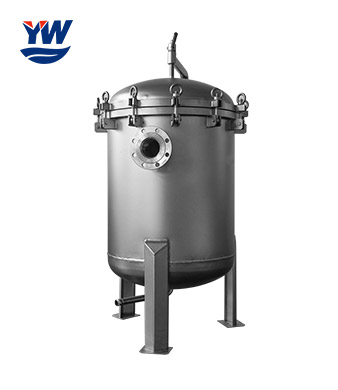
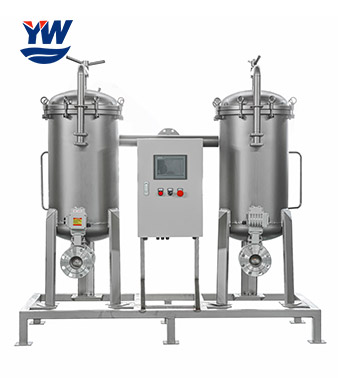
Stainless steel construction is standard across most pharmaceutical filtration equipment. It prevents contamination from the equipment itself and can withstand repeated sterilization cycles. For certain aggressive solvents or corrosive liquids, higher-grade materials or special coatings may be needed.
The table below shows the main liquid types encountered in pharmaceutical production and what filtration challenges each one presents:
| Liquid Type | Main Contaminants | Key Filtration Challenge | Typical Equipment |
|---|---|---|---|
| Purified water / WFI | Bacteria, particles, endotoxins | Sterility and continuous purity | Cartridge filter, micropore filter |
| Injection solutions | Fine particles, microorganisms | Aseptic filtration, 0.22 μm retention | Membrane filter, candle filter |
| Oral liquid medicines | Suspended solids, activated carbon | Clarity and taste-affecting residues | Plate and frame filter, cartridge filter |
| Blood plasma | Cell debris, proteins, lipids | Gentle filtration without protein damage | Depth filter press, membrane filter |
| Herbal extracts | Plant fibers, resins, pigments | High solid load, variable viscosity | Plate and frame filter press, pressure leaf filter |
| Eye drops | Particles, microorganisms | Extremely high clarity, sterility | Precision cartridge filter |
| Fermentation broth | Cells, cell debris, suspended solids | Large volume, high particle concentration | Candle filter, chamber filter press |
| Amino acid production liquid | Activated carbon, fine solids | Complete carbon removal after decolorization | Pressure leaf filter, candle filter |
No single filter type covers all pharmaceutical needs. Different stages of production — from raw material preparation through final product finishing — each call for different equipment. Some processes need depth filtration to handle a heavy particle load before a final polishing step. Others go straight to precision membrane filtration.
The depth filter press with enclosed filtration system is widely used in pharmaceutical settings where an enclosed, contamination-free environment is non-negotiable. Its enclosed design prevents exposure to the outside air during filtration, which matters greatly for sterile and semi-sterile products.
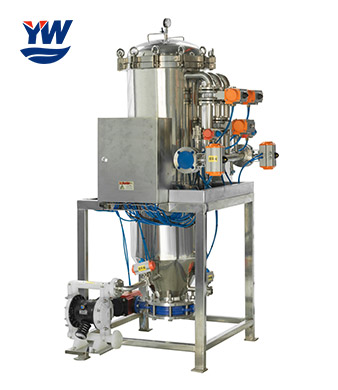
The fully automatic candle filter for the medicine industry handles large-volume liquid streams efficiently. It operates under pressure, delivers consistent filtration results, and the automatic discharge cycle reduces manual contact with the filtered material — an important factor in pharmaceutical GMP environments.
The round plate stainless steel filter press is another equipment type frequently selected for pharmaceutical production. The round plate design leaves no dead corners, making it easier to clean and sterilize between batches. This is especially useful when the same line handles multiple products.
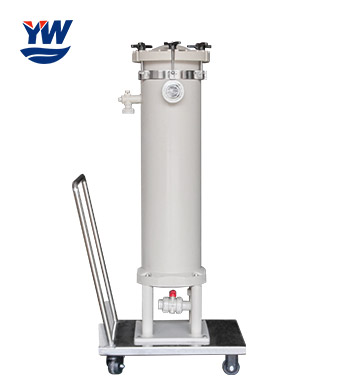
For final polishing and sterilizing filtration, cartridge filters and micropore filters are standard. The PA/PE micropore filter achieves submicron filtration accuracy and is compatible with a broad range of pharmaceutical solvents and aqueous solutions.
Equipment selection in pharmaceutical filtration is not a one-size-fits-all decision. The right filter depends on the specific liquid, the solid load, the target clarity or sterility level, and whether the process runs in batch or continuous mode.
The table below provides a quick reference for matching common pharmaceutical filtration tasks to the most suitable equipment types:
| Filtration Task | Solid Load | Precision Required | Recommended Equipment |
|---|---|---|---|
| Sterilizing filtration (injections, eye drops) | Very low | 0.22 μm or finer | Membrane cartridge filter, micropore filter |
| Activated carbon removal | Medium | Complete carbon capture | Candle filter, pressure leaf filter |
| Herbal extract pre-filtration | High | Coarse to medium | Plate and frame filter press |
| Fermentation broth clarification | High | Medium to fine | Candle filter, chamber filter press |
| Blood plasma filtration | Low to medium | Fine, gentle process | Depth filter press (enclosed system) |
| Catalyst recovery (Pd/C) | Low to medium | Complete recovery | Candle filter, round plate filter press |
| Pre-crystallization mother liquor | Low | Fine clarification | Cartridge filter, stainless steel plate and frame filter |
| Pharmaceutical wastewater | High | Suspended solids removal | Chamber filter press, belt filter press |
One point worth noting: many pharmaceutical processes use multiple filtration stages in sequence. A high-solid-load stream might go through a coarse filter press first, then a candle filter for intermediate clarification, and finally a cartridge or membrane filter for polishing. Building a multi-stage system is common and often more cost-effective than trying to do everything in one step.
Material compatibility also matters. Some pharmaceutical solvents are aggressive and can attack standard seals or filter media. For those applications, PTFE-lined equipment or chemically resistant filter materials are the right choice. Always confirm chemical compatibility before selecting equipment for solvent-based processes.