Membrane Filter Press

Home > Products > Filter Press > Membrane Filter Press

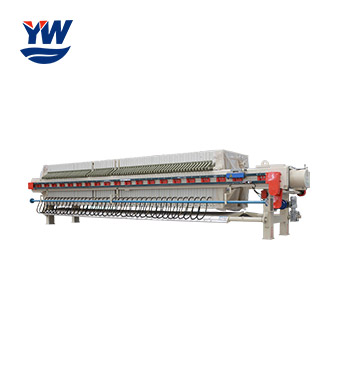
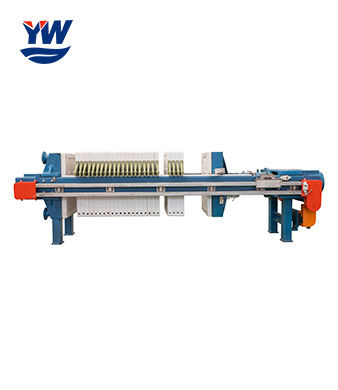
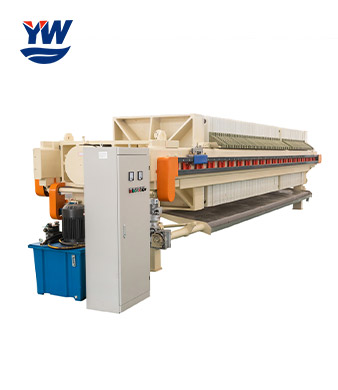
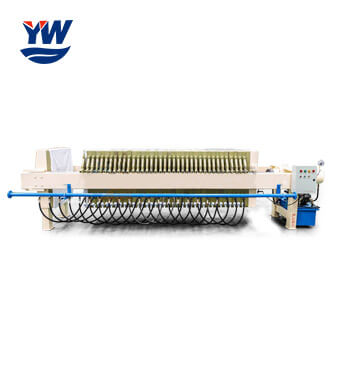
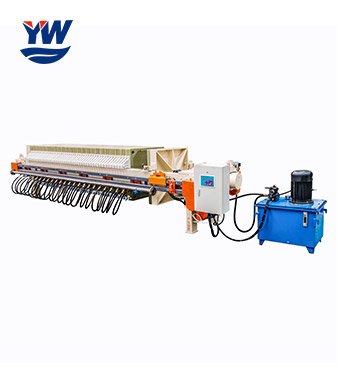
Fully Automatic Membrane Filter Press Manufacturer

A Membrane Filter Press is the ultimate industrial dewatering solution designed to achieve the lowest possible filter cake moisture content. Unlike standard presses, it features elastic membrane plates that inflate with high-pressure water or compressed air to perform a powerful secondary squeeze on the filter cake after the initial feeding cycle.

As a leading filtration equipment manufacturer, Yuwei engineers fully automatic, PLC-controlled membrane filter presses that deliver up to 22 MPa of squeezing pressure. From complex municipal sludge dewatering to high-viscosity chemical processing, our membrane technology drastically reduces drying costs, shortens filtration cycles, and maximizes solid-liquid separation efficiency.

The Ultimate Engineering Guide to Membrane Filter Presses

In modern industrial solid-liquid separation, achieving a dry, stackable filter cake is critical for minimizing disposal costs and complying with strict environmental regulations. The Membrane Filter Press represents the pinnacle of mechanical dewatering technology. By integrating flexible diaphragms into the filter plate assembly, this equipment allows for high-pressure secondary squeezing, pushing beyond the physical limits of standard feed-pump filtration.

1. The “Secondary Squeeze” Technology Explained

The defining feature of this equipment is the membrane plate, typically molded from high-strength reinforced polypropylene (PP) with inlaid elastic diaphragms. The operation sequence that sets it apart includes:

  • Primary Filtration: Slurry is pumped into the filter chambers at low to medium pressure (typically 1.2 – 2.5 MPa). The filter cloth captures solids until the chamber is full.
  • Membrane Inflation (Secondary Squeezing): Once the feed pump stops, high-pressure water or compressed gas is injected behind the membranes.
  • Moisture Displacement: The membranes bulge outward, exerting extreme physical compression (up to 22 MPa) onto the formed filter cake, forcefully expelling residual filtrate from the interstitial spaces of the solids.

2. Core Advantages Over Conventional Presses

Upgrading to a Yuwei fully automatic membrane filter press provides immediate, measurable ROI (Return on Investment) for heavy industrial facilities:

  • Maximum Moisture Reduction: Achieves significantly lower cake moisture compared to chamber presses, often reducing moisture content to levels suitable for direct landfill or incineration without thermal drying.
  • Shorter Cycle Times: The high-pressure squeeze rapidly completes the dewatering process, cutting the overall filtration cycle time by up to 30%.
  • Fully Automatic Operation: Integrated with Siemens PLC and HMI touch screens, the system features automatic plate shifting, continuous pressure holding, and optional automatic filter cloth washing systems for unattended operation.
  • Corrosion & Safety Resistance: The robust skeleton can be customized with advanced surface treatments, including Stainless Steel cladding or Polyethylene (PE) coating, to safely handle highly acidic or alkaline slurries.

3. Technical Sizing & Logistics Specifications

Selecting the correct membrane filter press requires aligning the filtration area with your daily volumetric throughput. Below is a reference matrix for our industrial-grade models.

Plate Size (mm) Filtration Area (m²) Standard Cake Thickness Hydraulic Pressure Membrane Squeeze Pressure
870 * 870 30m² – 80m² ≤35mm 18 MPa Up to 22 MPa
1000 * 1000 50m² – 120m² ≤35mm 18 MPa Up to 22 MPa
1250 * 1250 80m² – 250m² ≤40mm 18 MPa Up to 22 MPa
1500 * 1500 200m² – 500m² ≤40mm 18 MPa Up to 22 MPa
2000 * 2000 600m² – 1000m² ≤40mm 18 MPa Up to 22 MPa

Critical Logistics and Foundation Planning Note: When evaluating heavy machinery specifications, procurement engineers must account for the equipment’s Operating Weight. For our high-pressure membrane filter presses, operating weight refers strictly to the static physical weight of the machine (which can range from 3,000 Kg to over 70,000 Kg for 2000mm units). This heavy-duty mass ensures absolute structural stability against the 18 MPa hydraulic clamping force. It is a critical metric for crane lifting, shipping logistics, and concrete foundation engineering, and should not be confused with the hourly processing capacity.

4. Diverse Industry Applications

Due to its exceptional adaptability and structural integrity, our membrane filtration technology is deployed across multiple demanding sectors:

  • Mining and Metallurgy: Tailings dewatering, copper/zinc concentrates, and coal washing. Produces stackable, dry solid waste to prevent dam failures.
  • Municipal & Industrial Sludge: Biological sludge, printing and dyeing wastewater, and heavily viscous materials where standard presses fail to achieve acceptable dryness.
  • Chemical & Pharmaceutical: Processing pigments, silica, and complex chemical intermediates where maximizing filtrate recovery is economically vital.
  • Food & Beverage: High-efficiency filtration in brewing (wort filtration), sugar syrup clarification, and edible oil processing, utilizing food-grade PP plates.

5. Frequently Asked Engineering Questions (FAQ)

Should I use water or compressed air to inflate the membranes?

Both mediums are effective. High-pressure water is incompressible, making it inherently safer and more stable for ultra-high-pressure squeezing (up to 22 MPa). Compressed air is faster to inject and exhaust, making it suitable for lower pressure applications (typically up to 0.8 MPa) where rapid cycle times are the priority.

Does the membrane filter press require a special feed pump?

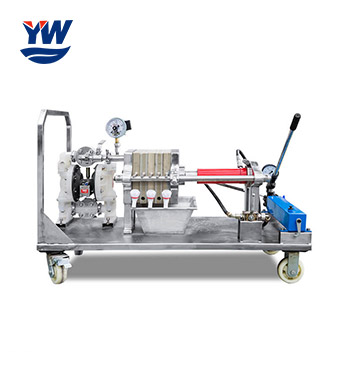
Because the primary filtration phase handles the bulk of the liquid, standard high-pressure feeding pumps (like pneumatic diaphragm pumps or screw pumps) are perfectly suitable. The extreme pressure is generated internally by the hydraulic system and the inflation medium, not solely by the feed pump.

Are the membrane plates durable?

Yes. Our diaphragms and reinforced polypropylene plates are inlaid together using an advanced molding process. They are highly resistant to aging, fatigue, and chemical corrosion, ensuring a long operational lifespan even under continuous high-stress squeezing cycles.

Can this machine operate unattended?

Absolutely. When configured with our PLC control cabinet, automatic plate shifting mechanism, automated bomb doors (drip trays), and online filter cloth washing system, the entire dewatering cycle—from feeding and squeezing to cake discharge and cleaning—can run automatically with minimal operator intervention.

Home Tel Mail Inquiry