Home
Products
Filter Press
Chamber Filter Press
Membrane Filter Press
Plate and Frame Filter Press
Stainless Steel Filter Press
Mobile Filter Press
Sludge Filter Press
Filter Plate
Filter
Diatomaceous earth filter
SS plate and frame filter
Candle Filter
PA/PE Micropore filter
Pressure Leaf Filter
Bag Filter Housing
Cartridge Filter
Self Cleaning Filter
Pipeline Filter
Applications
Sugar Syrup Filter Machine
Beer & Wine Filter Equipment
Gelatin Filtration Equipment
Seasonings filter equipment
Supporting equipment
Solutions
About us
Case
News
Contact us
info@yw-wellfilter.com
Products
Home
>
Products
Products
+
Filter Press
Chamber Filter Press
Membrane Filter Press
Plate and Frame Filter Press
Stainless Steel Filter Press
Mobile Filter Press
Sludge Filter Press
Filter Plate
Filter
Diatomaceous earth filter
SS plate and frame filter
Candle Filter
PA/PE Micropore filter
Pressure Leaf Filter
Bag Filter Housing
Cartridge Filter
Self Cleaning Filter
Pipeline Filter
Applications
Sugar Syrup Filter Machine
Beer & Wine Filter Equipment
Gelatin Filtration Equipment
Seasonings filter equipment
Supporting equipment
+
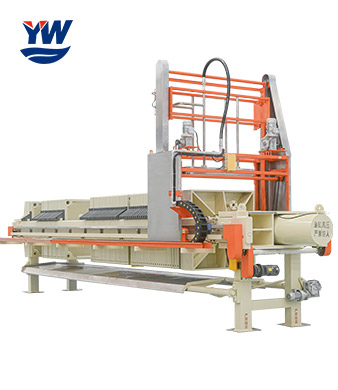
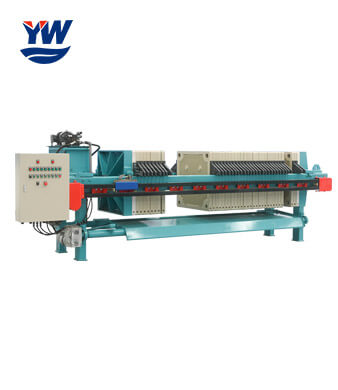
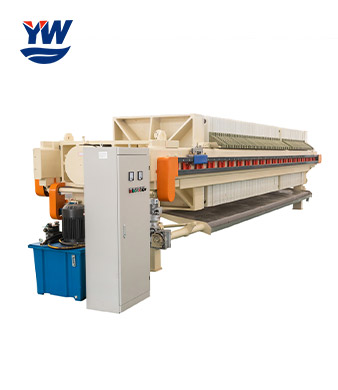
Automatic Chamber Filter Press for Mud Sewage Treatment with Automatic filter cloth washing system
+
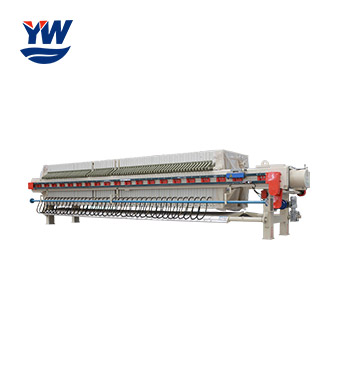
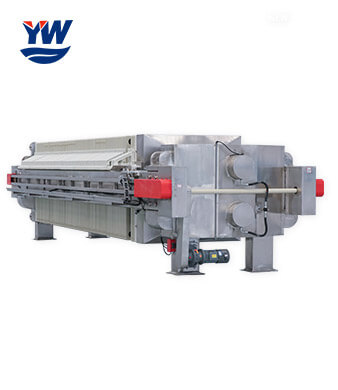
1250mm Fully Automatic High Pressure Membrane Filter Press
+
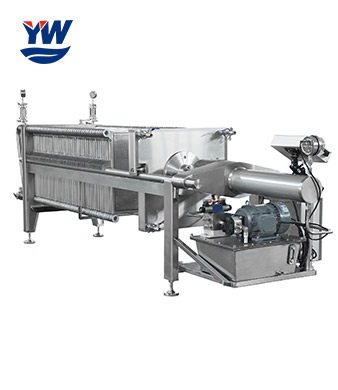
PLC Controlled Automatic Hydraulic Stainless Steel Plate and Frame Filter Press for Fine Filtration
+
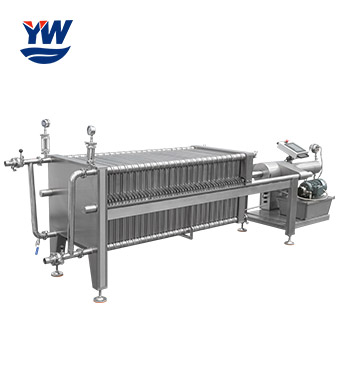
Automatic Hydraulic Filter Aids Precoted Plate and Frame Filter Press Machine
+
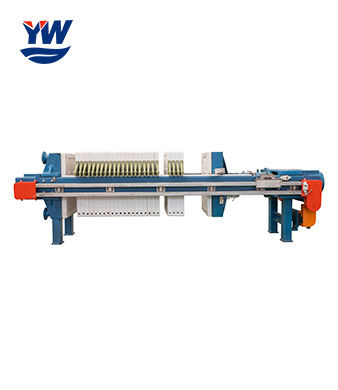
Semi Automatic Hydraulic Plate and Frame Filter Press
+
Depth filter press with enclosed filtration system for pharmaceutical industry
+
Automatic Hydraulic Stainless Steel Plate and Frame Filter Press
+
Manual Hydraulic Stainless Steel Plate and Frame Filter Press
+
Stainless steel plate and frame diatomite syrup filter press
+
High Pressure Round Plate Chamber Filter Press For Clay Sludge, Ceramic Sludge Dewatering(Automatic Plate Pulling )
+
High Pressure Chamber Filter Press Machine For Sludge Dewatering | Sludge Dewatering Equipment
+
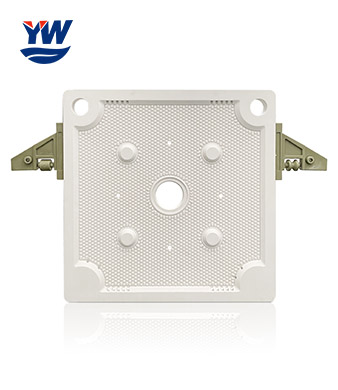
German Standard Filter Plate (High Quality, High Hygiene Standard) Suitable For Medicine, Food, Beverage
+
CGR Filter Plate(Membrane Plate, Chamber Plate)
+
Filter Plate, Membrane Plate, Recessed Plate, Chamber Filter Plate, Filter Press Plate Manufacturer
+
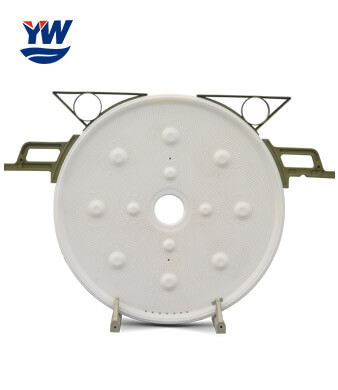
Round chamber filter plate
+
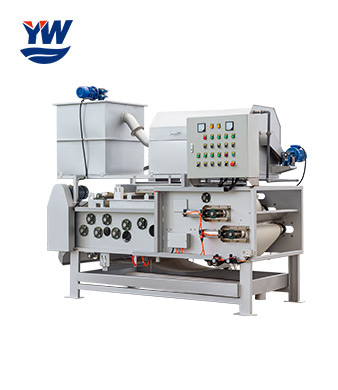
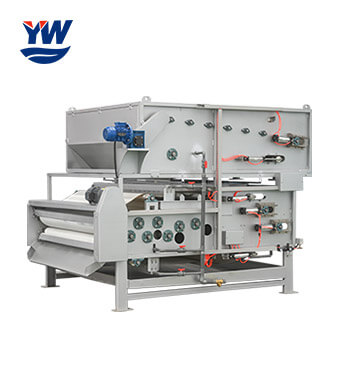
Belt Filter Press For Sludge Dewatering, Belt Filter Press Manufacturers
+
Stainless Steel belt filter press machine use for sludge thickening dewatering
+
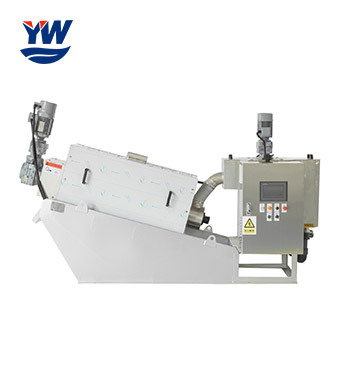
Waste water treatment volute screw press sludge dewatering machine
+
Fully Automatic Stainless Steel Coating Filter Press for Food, Beverage, Medicine, Tailings Treatment
+
Filter Press With PP Coating For Chemical and Pharmaceutical industry
+
Chamber Filter Press for Sugar Syrup Filtration
+
High Pressure Program Controlled Membrane Squeeze Filter Press
+
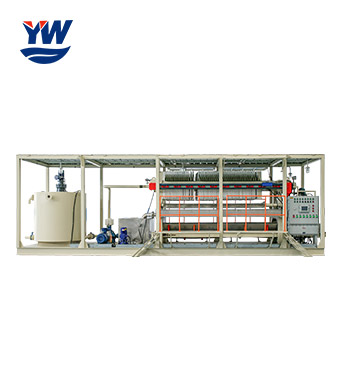
Fully automatic skid mounted membrane filter press
+
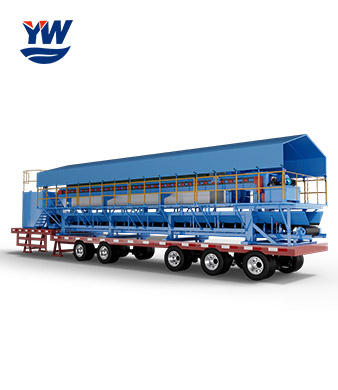
Mobile Vehicle-Mounted Portable Sludge Filter Press (Skid Mounted Filter Press)
+
Quick Open Chamber Plate Filter Press With Automatic Discharging
+
Cotton Cake Filter Press for Gelatin Filtration
+
Semi Automatic Hydraulic Chamber Filter Press, Industrial Filter Press For Mud Sewage Treatment
+
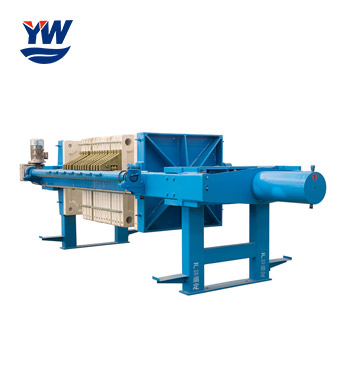
Mini Membrane Filter Press For Laboratory Test
+
Membrane Plate Filter Press For Beer Industry
+
Automatic diaphragm filter press for sale with factory price
1
2
›
info@yw-wellfilter.com
Home
Tel
Mail
Inquiry