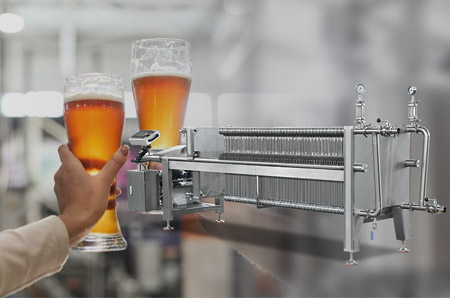
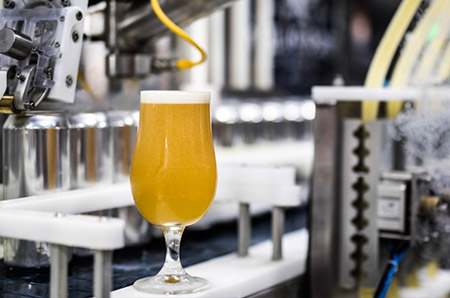
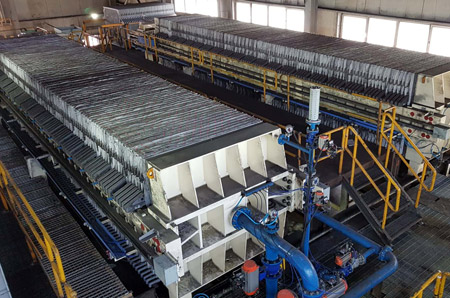
Stainless Steel Multi-Layer Plate and Frame Filter Beer Process
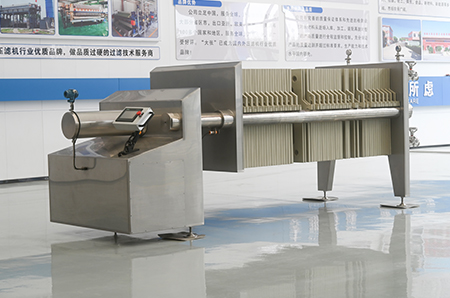
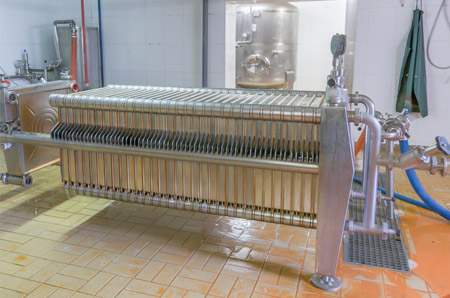
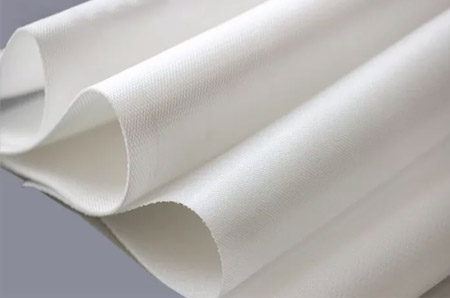
1. Preparation before filtration Cardboard(filter sheets, filer paper, filter pads) installation should pay attention to distinguish the inflow surface and outflow surface of beer, The rough surface of the cardboard is the inflow surface, and it should be installed when the cardboard is fully wetted with water. It is recommended to sterilize the new cardboard before the first use, the washing time is not less than 15 minutes, and the flow rate is 1.5-2 times of the normal filtration rate. The purpose is to fully infiltrate the cardboard and expand it moderately, remove the air in the cardboard, and achieve a good adsorption effect. In order to prevent wine from leaking when the filter cardboard is installed, check whether the filter rubber ring is intact, and replace it in time if it is damaged. In order to prevent damage to the cardboard, check whether there is misalignment between the filter frame and the filter plate and whether there is a protruding part on the sieve plate on the filter frame. If so, use it after repairing. Plate and Frame Filter Filtration Principle A support plate with a filter plate hanging Filter frame Unfiltered liquid inlet Filtered liquid inlet Diatomaceous earth...