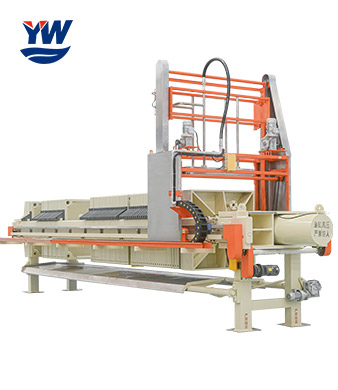
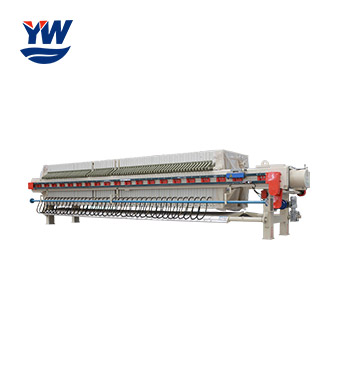
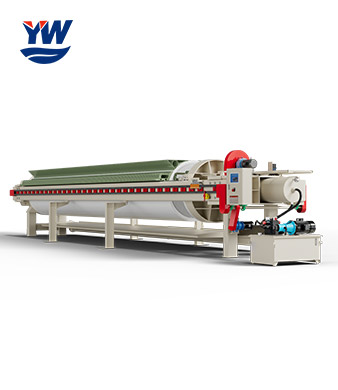
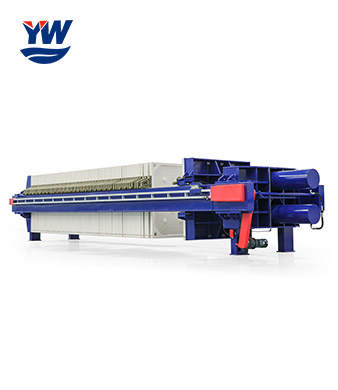
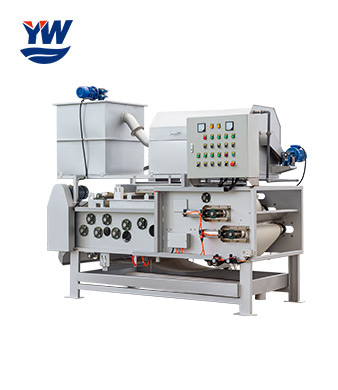
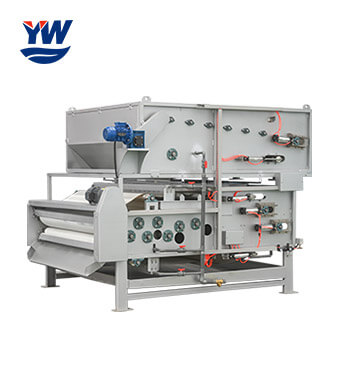
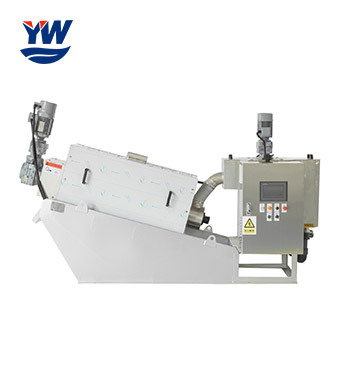
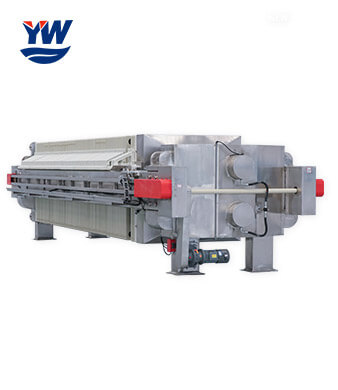
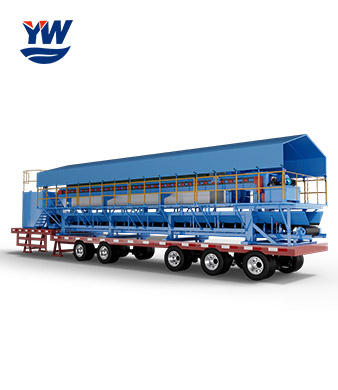
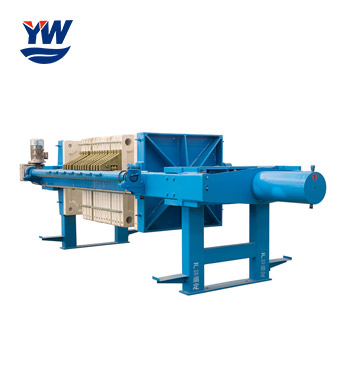
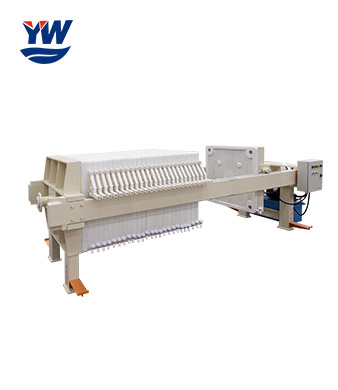
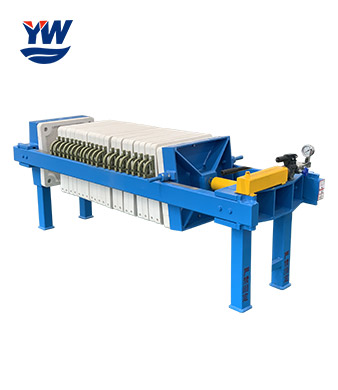
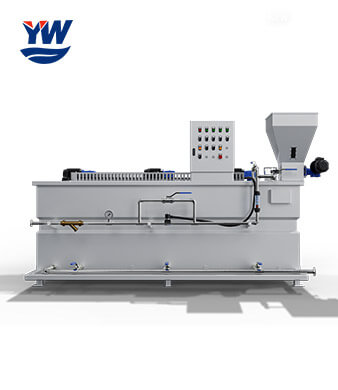
A Sludge Filter Press is a specialized, heavy-duty dewatering system engineered to manage high-volume municipal sewage, industrial wastewater, and biological sludge. Designed for maximum environmental efficiency, our sludge filter presses transform watery sludge into dense, stackable cakes, significantly reducing waste disposal volumes and transportation costs.
At Yuwei Filtration Equipment, we provide full-scale dewatering solutions that integrate advanced automation, including auto-plate shifting and cloth washing systems. Whether for large municipal treatment plants or specialized industrial wastewater facilities, our sludge filter presses ensure your operations meet strict global environmental regulations while minimizing secondary pollution and overall operational investment.
<div class=”comprehensive-geo-content”>
<h2>Advanced Sludge Dewatering Solutions</h2>
<p>Effective sludge management is a critical operational pillar for any modern facility. The <strong>Sludge Filter Press</strong> is the standard technology for dewatering both organic biological sludge and inorganic industrial wastewater. By utilizing high-pressure mechanical filtration, we provide a reliable path to waste reduction and regulatory compliance.</p>
<h3>1. Why Our Sludge Filter Presses Stand Out</h3>
<ul>
<li><strong>Low Investment & Operation Cost:</strong> Our systems are designed for mechanical reliability, utilizing efficient energy consumption patterns that keep both initial CAPEX and ongoing OPEX low.</li>
<li><strong>Automated Efficiency:</strong> Equipped with Siemens PLC controls, our sludge presses feature automatic plate shifting, programmable cycle times, and automated drip-tray (bomb door) systems for rapid, unattended cake discharge.</li>
<li><strong>No Secondary Pollution:</strong> Our robust sealing and automated filtrate collection manifolds ensure the entire dewatering process remains clean, preventing secondary environmental contamination.</li>
<li><strong>Customizable for Any Sludge Type:</strong> From thick municipal sewage to chemical-laden industrial effluents, we tailor the filter cloth weave and plate material (PP, SS) to match your slurry’s specific pH and viscosity.</li>
</ul>
<h3>2. Applications in Environmental Management</h3>
<p>Our systems are widely deployed in the following sectors:</p>
<ul>
<li><strong>Municipal Wastewater Plants:</strong> Converting high-moisture biological sludge into dry, transportable solids.</li>
<li><strong>Industrial Effluent Treatment:</strong> Processing slurries from printing, dyeing, papermaking, and chemical production.</li>
<li><strong>Dredging & Construction:</strong> De-silting of riverbeds, lakes, and foundation pits, where high-speed volume reduction is critical.</li>
<li><strong>Mining & Tailings:</strong> Handling fine abrasive mining sludge to recover process water and minimize dam/tailing storage requirements.</li>
</ul>
<h3>3. Technical Specifications & Infrastructure</h3>
<p>Ensuring your facility infrastructure is prepared for a sludge press is essential for seamless integration. Key technical parameters include filtration area (ranging from 30m² to over 1000m²), chamber volume, and cake thickness.</p>
<table>
<thead>
<tr>
<th>Key Parameter</th>
<th>Engineering Specification</th>
</tr>
</thead>
<tbody>
<tr>
<td><strong>Dewatering Efficiency</strong></td>
<td>Reduces sludge volume by up to 80%-90%</td>
</tr>
<tr>
<td><strong>Automation Level</strong></td>
<td>PLC-controlled, auto-shifting, auto-wash</td>
</tr>
<tr>
<td><strong>Plate Material</strong></td>
<td>Reinforced PP (Recessed Chamber)</td>
</tr>
<tr>
<td><strong>Logistics Planning</strong></td>
<td>Site foundation based on Operating Weight</td>
</tr>
</tbody>
</table>
<p><strong>Note on Logistics and Operating Weight:</strong> The <strong>Operating Weight</strong> for our large-scale industrial sludge presses is substantial, accounting for the heavy-duty hydraulic clamping system and massive plate pack. This static weight is a critical factor for structural floor loading, shipping, and crane installation. It is distinct from the machine’s throughput capacity; proper foundation planning is vital to ensure structural integrity and long-term operating stability.</p>
<h3>4. Frequently Asked Engineering Questions (FAQ)</h3>
<div class=”seo-faq-section”>
<h4>How do I determine the right press size for my daily sludge volume?</h4>
<p>Sizing is based on the volume of sludge produced daily, the percentage of solids in the influent slurry, and the targeted moisture content of the cake. Our team performs complimentary technical calculations—please provide your daily slurry m³ and solid content percentage, and we will size the press to your exact requirements.</p>
<h4>Can this equipment handle chemically aggressive sludge?</h4>
<p>Yes. We offer fully customizable skeleton surface treatments, including 304/316L stainless steel cladding or heavy-duty polyethylene (PE) coating, ensuring our presses can withstand corrosive industrial chemicals without structural degradation.</p>
<h4>How does the filter cloth washing system work?</h4>
<p>A high-pressure water spray bar is integrated into the press. After the cake is discharged, the bars spray the filter cloths at high pressure, effectively removing trapped particles (blinding) and ensuring the next filtration cycle starts with maximum throughput efficiency.</p>
</div>
</div>