How to select a suitable filter press
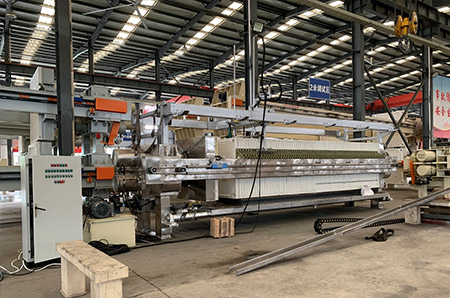
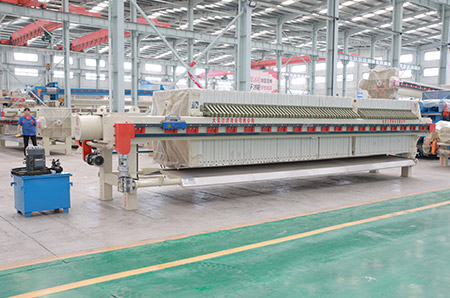
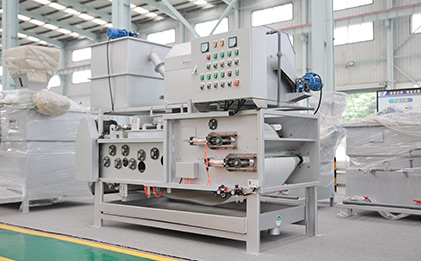
Filter presses are essential equipment in many industries that require the separation of liquids and solids. They are widely used in chemical manufacturing, pharmaceuticals, mining, wastewater treatment, and many other industries. The selection of a suitable filter press is critical to achieving the desired separation efficiency, cost-effectiveness, and reliable performance. In this article, we will discuss some factors that you should consider when selecting a suitable filter press. 1. Type of Filter Press There are various types of filter presses available in the market. The most common ones are: Plate and Frame Filter Press Recessed Chamber Filter Press Membrane Filter Press Belt Filter Press Each type has its unique advantages and limitations. For example, the plate and frame filter press is versatile and suitable for a wide range of applications, while the membrane filter press is ideal for processing highly viscous liquids. You should select a filter press that suits your specific application requirements. 2. Capacity The filter press’s capacity is another critical factor to consider. You need to determine the maximum amount of solids you need to separate from the liquid in a given time. The filter press’s capacity is usually expressed in terms of the filter area, which...